


We’ve all been there: an impeccably decorated venue, a top-tier catering spread, and a room full of people standing in awkward, siloed circles. For corporate HR leaders, brand managers, and event planners, the true measure of a successful event isn’t just headcount or aesthetic appeal—it’s engagement.
Creating an inclusive social event means designing an environment where the “wallflower effect” is minimized, and every guest feels naturally compelled to participate. At Mictrix Events, we view event design through the lens of guest psychology, atmosphere engineering, and crowd dynamics. Here is how to build an experience that genuinely brings people together.
The Psychology of the Guest: Lowering the Barrier to Entry
Inclusion starts long before the doors open. From a psychological standpoint, guests arrive with varying levels of social anxiety and expectation. To make participation feel safe and natural, you have to lower the barrier to entry.
- Ditch the Script: Highly rigid schedules make attendees feel like passive spectators rather than active participants. Introducing interactive, low-stakes activities—such as localized social gaming—allows guests to let their guard down. When people are focused on a shared, playful objective, the pressure of traditional networking evaporates.
- Structured Serendipity: Don’t rely on guests to organically break the ice. Design moments that gently force cross-pollination. Whether it’s gamified name badges or collaborative problem-solving stations, structure the initial interactions so introverts and extroverts alike have a clear “excuse” to engage.
Atmosphere Design: Engineering the Space
The physical layout of your venue dictates the social layout of your crowd. Atmosphere design isn’t just about lighting and music; it’s about spatial psychology.
- Eliminate “Dead Zones”: Large, empty dance floors or cavernous halls immediately create intimidation. Break large spaces down into intimate, purposeful zones. A venue should feel full and energetic, even if attendees are spread out.
- Strategic Seating: Avoid traditional banquet seating where guests are trapped with the same six people all night. Opt for high-top tables, modular lounges, and fluid spaces that encourage movement. If a guest is uncomfortable in one interaction, the physical space should make it easy to drift to the next.
- Sensory Cues: Audio and visual cues can direct the energy of the room. Warm, ambient lighting draws people into conversation areas, while a gradual shift in music tempo can seamlessly transition the crowd from a relaxed cocktail hour to high-energy participation.
Crowd Dynamics: Moving from Observation to Action
Understanding crowd dynamics means recognizing how groups move, react, and influence one another. The goal is to build momentum so that participation becomes contagious.
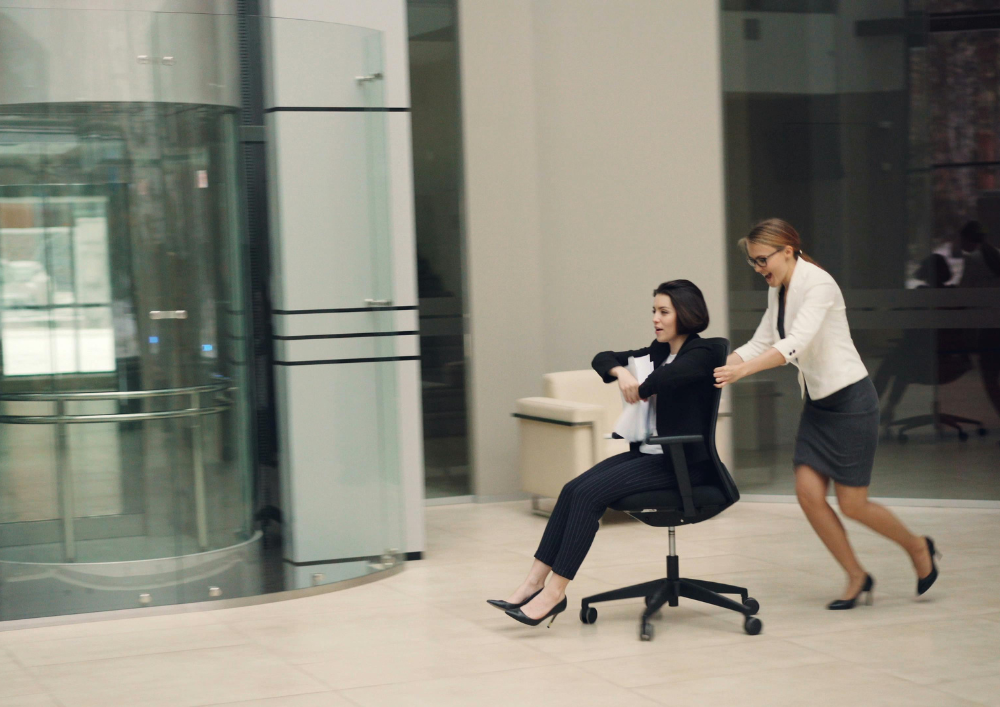
The “First Follower” Principle: The hardest part of any interactive event is getting the first person to jump in. Seed the crowd with enthusiastic facilitators—or structure the event so early participation is rewarded. Once a small pocket of attendees is engaged, social proof takes over, and the rest of the room will naturally follow.
Shared Objectives: Whether it’s a high-energy team-building challenge or a relaxed, collaborative tasting experience, giving the crowd a collective goal unifies the room. When the crowd shifts from a collection of individuals to a unified group experiencing the same emotions—be it suspense, humor, or triumph—you’ve successfully mastered crowd dynamics.
The Mictrix Methodology
At Mictrix Events, we don’t just plan logistics; we design human connection. From large-scale interactive festivals to weekly social gaming nights that pull attendees entirely “off script,” our approach is rooted in understanding what makes people tick.
True inclusion isn’t an accident. It is the result of deliberate psychological design, strategic spatial planning, and a deep understanding of crowd behavior.
Comments are closed